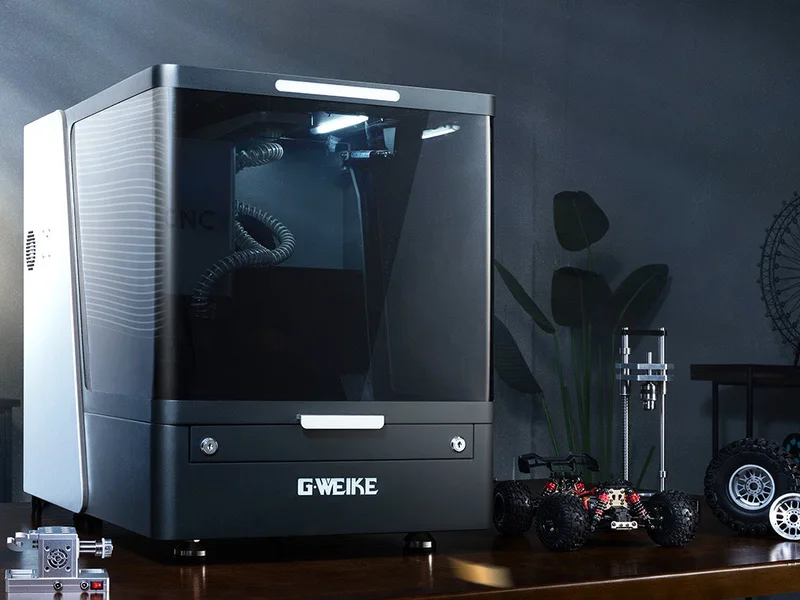
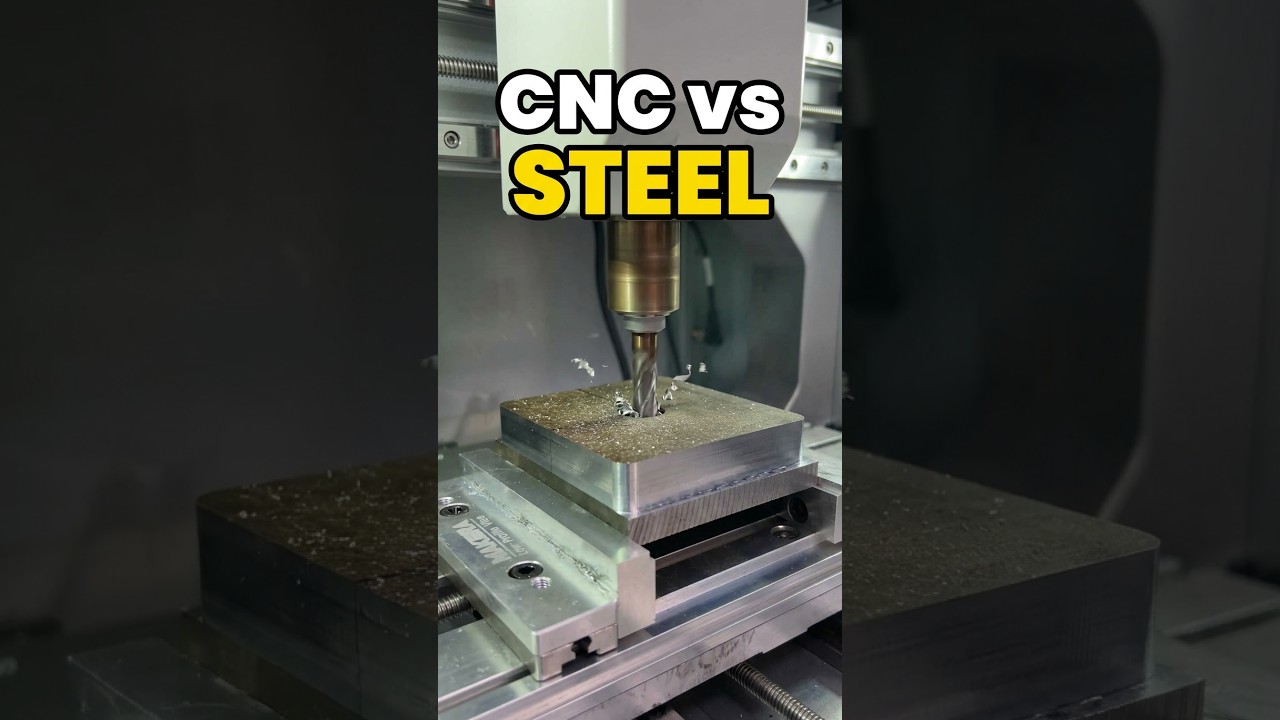
This teardown is a deep dive into the Makera Z1 — a compact CNC machine that I recently pushed through more than two hours of heavy cutting during a livestream. The stream gave me a real-world feel for how the Z1 behaves under load, and it surfaced some suspicions about where its limits actually come from. So afterwards, I opened it up.
What’s inside the Makera Z1
I opened the Z1 down to its core to see what’s actually inside — the engineering that works well, and the design choices that hold the machine back. With a compact desktop CNC, you really only find out where the corners were cut once you strip the covers off.
What works: the rotating-nut Z-axis ballscrew
The highlight of the teardown is the Z-axis. Instead of a conventional setup where the screw rotates and the nut travels, Makera built the Z-axis around a rotating ballscrew — a surprisingly smart choice for a machine this small. It’s the kind of solution you’d expect on a more expensive machine, and it’s genuinely good engineering.
What holds it back: the base and the bed
The other side of the story is less flattering. Two design choices limit how rigid the Z1 can actually be:
- A floating bed plate — the work-holding surface isn’t solidly tied into the frame, so load paths during cutting have somewhere they don’t want to go.
- A folded sheet-metal base — folded sheet is cheap and light, but it’s nowhere near as stiff (or as well-damped) as a heavy cast or filled base.
If you’re trying to understand why a compact CNC starts to chatter or struggles with harder materials, this is exactly where the problem tends to live. The motors, screws, and rails can only do so much if the frame they’re bolted to is flexing underneath them. For some context on where this goes wrong on DIY CNCs specifically, see my write-up on gantry tube sizing.
What happens next
The Z1 is staying disassembled for now. I’m planning several upgrades, including adding vibration damping and possibly filling parts of the base with concrete. That’s a direction I’ve written about before — and I’ve also written about where not to go with that (see my post on why I tell people to avoid epoxy granite for DIY CNC builds, despite its popularity).
Want one for your own shop? You can grab the Makera Z1 – $100 off here.
FAQ
Got questions about the Z1? Join the Discord and let’s talk.