My garage workshop used to be three cramped, mostly useless rooms. Tools were scattered, the floor wasn’t strong enough for anything serious, power was a constant headache, lighting was an afterthought, and heavy machines simply weren’t an option.
I tore most of it down and rebuilt from the foundation up. Not by just adding more machines, but by fixing the things that actually limit what you can build day to day. These five upgrades made the biggest difference.
1. Rebuilding the workshop floor and structure
Most people start by buying tools. I started by making sure the floor could take several tonnes without cracking or settling.
I leveled the slab and reinforced the structure with steel so the space could handle real industrial machines instead of just light hobby equipment. Opening up the three separate rooms into one continuous workspace changed the flow completely. Suddenly there was room to move material, set up larger jobs, and actually use the machines the way they were designed.
A solid floor and open layout aren’t glamorous, but they are the difference between a shop that fights you and one that works with you.
2. Consolidating cutting and welding into one system
Instead of keeping separate machines for different processes, I brought in the Gweike M3 Ultra. It handles CO₂ cutting, fiber cutting, and laser welding in a single footprint.
This removed a lot of tool-switching and material-handling overhead. One machine that can cut and weld (within its capabilities) means less time rearranging the shop and more time actually making parts. It’s not a miracle solution, but the consolidation alone improved daily output more than adding another single-purpose tool would have.
3. Solving the power grid problem
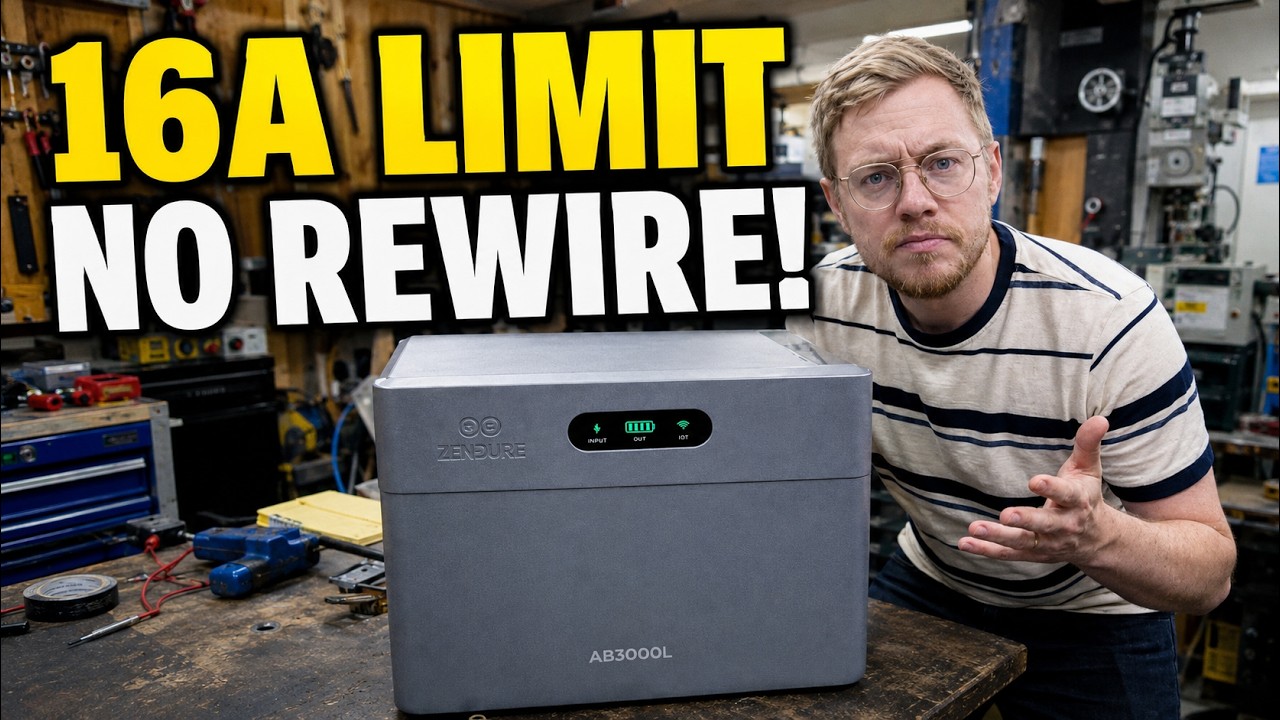
Dutch residential power is limited. Running multiple machines, especially anything with motors or high peak draws, quickly becomes a game of which circuit trips first.
I installed an EcoFlow STREAM battery system that works across all three phases. It doesn’t increase the grid capacity, but it absorbs the peaks so the fuses stay happy and the machines keep running. Combined with careful load management, this finally made it realistic to run heavier equipment without constant babysitting or brownouts.
Power is one of those boring constraints that quietly decides what you can and cannot build. Fixing it was more valuable than another shiny tool.
4. Engineering the lighting instead of just adding more fixtures
Random extra lights don’t solve bad lighting. Shadows, glare, and uneven coverage make precision work harder and more tiring.
I planned the lighting properly (including software layout) so the critical work areas are evenly lit without harsh spots or dark corners. Good lighting is one of those upgrades you only notice once you have it — and then you wonder how you worked without it.
5. Adding a 2.5-ton universal mill (and immediately finding its first problem)
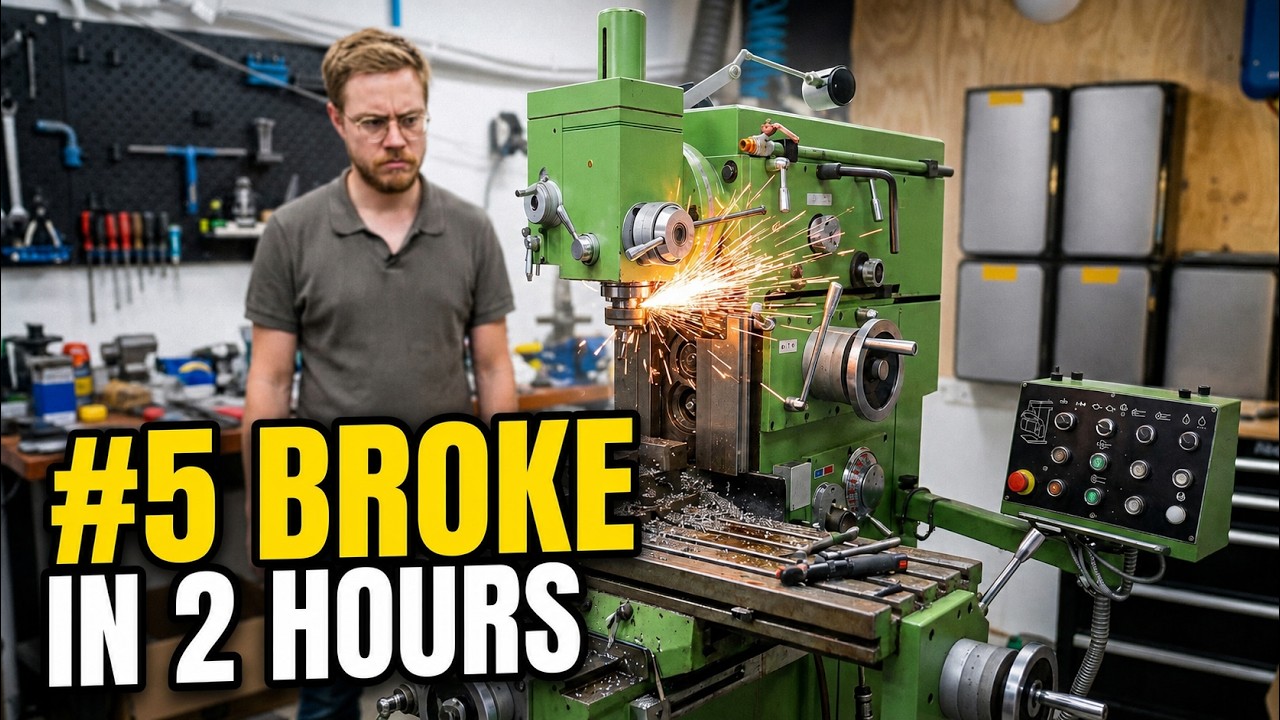
With the floor reinforced and the power more stable, I finally moved in a real universal mill. At 2.5 tonnes it is a different class of machine from anything that was previously practical in the old layout.
Of course it had issues right away. That’s normal. The point of the upgrade wasn’t “perfect machine day one” — it was creating a shop that can actually support and maintain something this size. The mill expands what is possible in metalwork, but only because the foundation (floor, power, space, lighting) was already sorted.
What actually changed
The shop is not “finished.” It is simply much more capable. I can bring in heavier machines, run more demanding processes, and work with less friction on everyday jobs.
The biggest lesson is still the same: the foundation matters more than the next tool. Floor strength, power stability, usable layout, and proper lighting quietly determine the ceiling of what you can build. Machines come second.
If you’re looking at your own workshop and wondering where to start, look at the constraints first. Fix those, and the tools suddenly become a lot more useful.
Have questions about any of these changes or your own shop upgrades? Join the Discord and let’s talk shop: https://discord.gg/gM3NEm74h6